“`html
AI Revolution: Predicting Road Safety with Technology
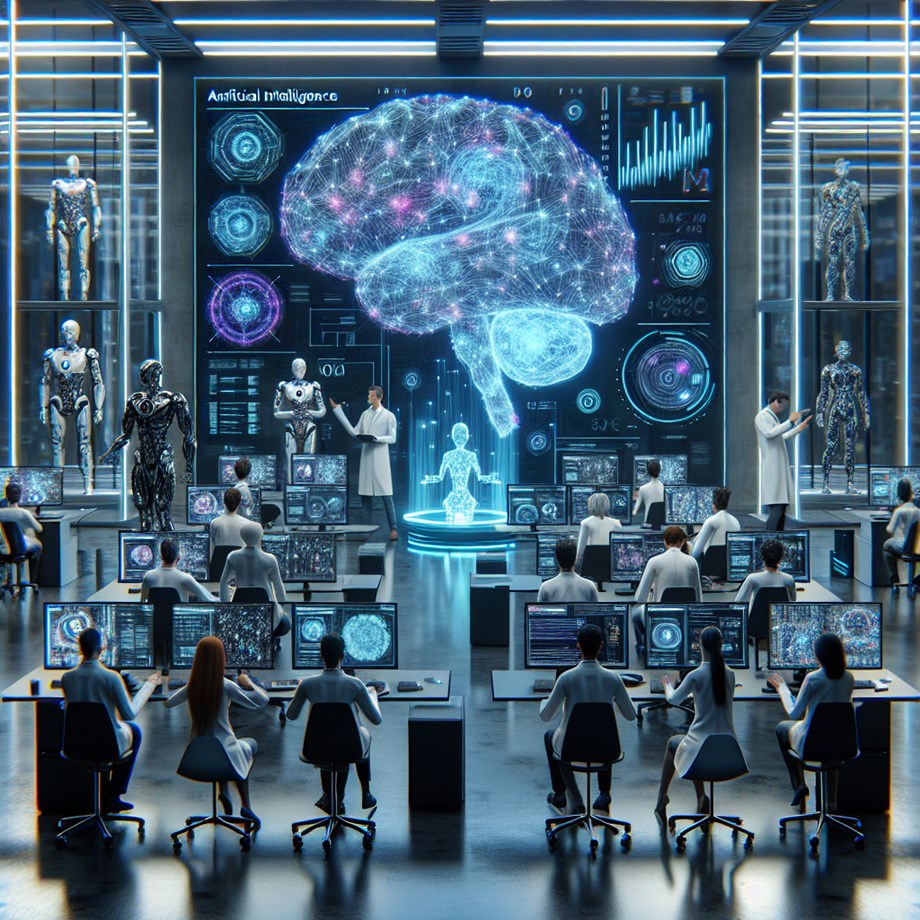
On a bustling street in New Delhi, a traffic officer monitors the flow of vehicles with an unusual companion — a drone hovering overhead, equipped with AI technology. This scene, once confined to the realms of science fiction, is now a reality thanks to the rapid advancements in artificial intelligence (AI). Increasingly, AI is being used to predict and prevent road accidents, a transformation that promises to save countless lives.
Piyush Tewari, founder of the SaveLife Foundation, has been at the forefront of this revolution. “The role of AI in road safety is critical,” Tewari asserts. “It’s not just about reacting to incidents but proactively preventing them.” His words resonate deeply, especially in a country like India, which accounts for a significant proportion of the world’s road fatalities.
The Data Driving Change
The statistics are staggering. According to the World Health Organization, approximately 1.3 million people die every year as a result of road traffic crashes. The integration of AI in road safety aims to reduce these numbers drastically.
Key players in the tech industry, including Google and Tesla, are investing heavily in AI technologies that predict road conditions and driver behavior. These technologies help foresee potential hazards and prevent accidents by providing real-time data to drivers and traffic management systems.
| Feature | Traditional Method | AI-Powered System |
|---|---|---|
| Data Analysis | Manual, Reactive | Automated, Predictive |
| Response Time | Delayed | Instantaneous |
| Accident Prevention | Post-incident Investigation | Real-time Prevention |
Trends in AI-Driven Road Safety
One of the most significant trends is the use of AI-trained cameras and drones. These devices, embedded with sophisticated algorithms, can detect and alert authorities about potential road conflicts.
Take for instance, the Indian government’s initiative to support AI technologies. The goal is to facilitate quicker data interpretation, enabling faster decision-making. As reported by TechCrunch, these innovations are not isolated to India. Similar systems are being adopted in the United States, China, and across Europe, where AI is used to analyze traffic patterns and mitigate congestion, thus reducing the likelihood of crashes.

Industry Opinions
As AI continues to advance, its implications for road safety are profound. According to TechRadar, the potential for AI to transform road safety lies in its ability to process vast amounts of data far more efficiently than humans. This capability is essential for identifying patterns that could indicate an increased risk of accidents.
Experts argue that while AI won’t replace human drivers overnight, it will serve as an augmentative tool that enhances our ability to navigate roads safely. “AI is not about replacing humans but assisting them,” notes a spokesperson from Tesla, reiterating the idea that AI should support and inform human decisions rather than override them.
Conclusion: The Road Ahead
The deployment of AI in road safety is still in its early stages, but the potential is undeniable. As AI technology continues to evolve, it promises to revolutionize the way we approach road safety, making our streets safer and more efficient.
For tech enthusiasts and professionals, staying ahead of these trends is crucial. The AI revolution in road safety offers numerous opportunities for innovation and entrepreneurship. As we look to the future, the call to action is clear: embrace AI technologies and be part of a movement that is not just transforming industries, but saving lives.
Related Reading
- Emotional AI lacks proper oversight as systems move into care and support roles
- Artificial Intelligence: Revolutionizing Every Aspect of Life – Revolutionary AI Initiative Accelerates TB Screening in Thane
- Editorial: AI is changing the job hunt
“`


