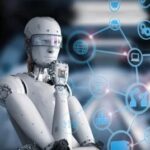
Editorial Cartoon: AI Takeover?

A Glimpse Into the Future
Imagine a bustling newsroom, once the heart of vibrant human creativity, now humming with the quiet efficiency of artificial intelligence. The editorial cartoons are sharper, the articles more data-driven, and yet, there’s an uncanny absence of the unpredictable flair that only a human touch can bring. Such is the dichotomy of our rapidly advancing world, thrust into the throes of what some are predicting as the “AI takeover.”
The Rise of AI: Data and Context
AI has undeniably become a pivotal force in shaping industries. According to a report by McKinsey & Company, AI technologies could deliver $13 trillion of annual global economic production by 2030. This surge in AI utilization has been mirrored by a significant increase in AI-related job postings, with a 74% rise reported by LinkedIn since 2020.
Trends in Artificial Intelligence
The allure of AI lies not only in its ability to automate mundane tasks but also in its potential to outdo humans at certain complex activities. From diagnosing medical conditions more accurately than doctors to outperforming humans in sophisticated strategy games like Go, AI’s capabilities continue to expand at an exponential rate.
- AI in healthcare: Revolutionizing patient diagnosis and treatment plans.
- AI in finance: Enhancing algorithmic trading with real-time insights.
- AI in customer service: Providing 24/7 assistance through chatbots.
Industry Opinions and Analyses
While AI offers undeniable advantages, the implications of an AI-dominated future elicit divided opinions across sectors. Elon Musk, a vocal advocate for cautious AI development, has often compared advancing AI to “summoning the demon” if left unchecked. Conversely, Sundar Pichai, CEO of Alphabet, believes that AI will bring unprecedented opportunities and advancements that will significantly benefit society.
Comparing Human and AI Capabilities
| Task | Human Capability | AI Capability |
|---|---|---|
| Creativity | High (subjective, intuitive) | Moderate (pattern recognition) |
| Data Analysis | Moderate (interpretive) | High (large-scale processing) |
| Emotional Intelligence | High (empathy-based) | Low (limited understanding) |
The Road Ahead
As we stand at this technological crossroads, it seems prudent to consider both the possibilities and the responsibilities that come with AI. The question arises: are we prepared for the implications of a world where AI might be better suited than humans for certain roles?
According to an article by TechCrunch, the key lies in striking a balance, leveraging AI’s strengths while preserving human jobs that require emotional intelligence and creativity. Meanwhile, The Verge suggests that education systems globally need to adapt, preparing future generations for an integrated AI-human workforce.
Conclusion
As AI continues to infiltrate various facets of society, it is crucial for stakeholders to engage in thoughtful discourse around its development and deployment. The potential for AI to complement human intelligence is immense if leveraged ethically and responsibly. Technology leaders, policymakers, and society at large must collaborate to ensure that AI serves the greater good, rather than replace the very essence of human ingenuity.
Related Reading
- AI needs management consultants after all
- International Women’s Day 2026: 6 Google Gemini AI prompts to create powerful, hyper-realistic Women’s Day portraits
- Humanity’s Final Exam: We Are Failing the Test of Survival

