

“`html
img {
max-width: 100%;
height: auto;
}
HC Protects MP Shashi Tharoor’s Personality Rights, Directs Removal of Deepfake Video
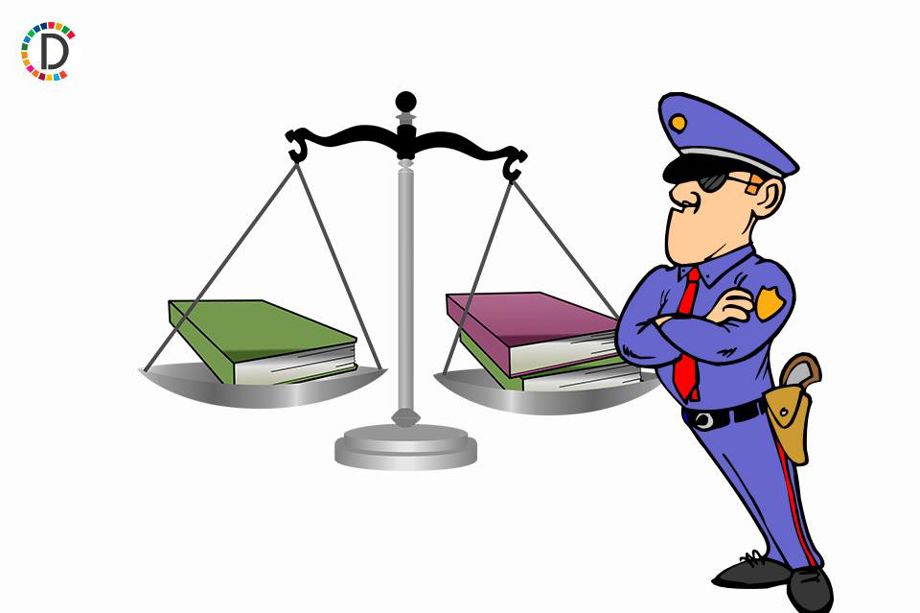
In a landmark decision that reverberates across legal and technological landscapes, the Delhi High Court has issued a directive to protect the personality rights of Member of Parliament Shashi Tharoor. The court’s ruling mandates the immediate removal of a deepfake video that had distorted Tharoor’s likeness, underscoring the pressing need to address ethical concerns around AI-generated media. This development is a critical step in safeguarding individual identities in an age where technology increasingly blurs the lines between reality and fabrication.
The Case That Set a Precedent
The case involved an entity, Ashok Kumar (a pseudonymous placeholder commonly used in Indian legal contexts), who, along with others, was found to be infringing on Tharoor’s personal rights. The court’s injunction prevents them from reproducing or imitating any element of Tharoor’s persona. This includes his name, image, voice, and even his distinctive oratorical style and vocabulary, for creating and disseminating synthetic media such as deepfakes or voice-cloned audio using technologies like AI and machine learning.
According to TechCrunch, this ruling marks one of the earliest major legal victories against the unauthorized use of AI in creating deepfakes, setting a legal framework that could influence similar cases globally.
Rising Concerns Over Deepfake Technologies
The emergence of deepfake technology has been nothing short of revolutionary, allowing for the creation of hyper-realistic fake videos that are nearly indistinguishable from real footage. While this technology holds potential for positive applications, such as in filmmaking or gaming, its misuse poses significant risks. According to The Verge, the deepfake market is projected to grow exponentially, raising alarms about its implications for privacy, security, and misinformation.
Global Trends in Digital Impersonation
The challenge of deepfakes is not confined to India. Globally, governments and tech companies are grappling with the implications of AI-generated content. A report by Gizmodo highlighted how nations like the United States and European countries are setting legislative measures to combat digital impersonation and protect individuals’ rights.
| Country | Regulation Type | Implementation Year |
|---|---|---|
| United States | Deepfake Disruption Bill | 2019 |
| European Union | AI Act Proposal | Expected 2024 |
| India | IT Act Provisions | 2023 |
The Role of Tech Industry and Policymakers
Tech giants like Google and Facebook have taken initiatives to develop tools to detect and limit the spread of deepfakes. However, as AI technology evolves, so too does the sophistication of malicious actors. Policymakers are thus urged to stay ahead by enacting robust legal frameworks that can adapt to new technological challenges.
Industry experts, quoted on platforms like Wired, suggest that collaborative efforts between tech companies, governments, and civil societies are crucial to creating a balanced approach that respects both technological innovation and personal rights.
Conclusion
The Delhi High Court’s decision to protect Shashi Tharoor’s personality rights marks a pivotal moment in the intersection of technology and law. As AI continues to evolve, the need for a cohesive international strategy to manage its implications becomes ever more apparent. Tech enthusiasts, legal experts, and policymakers must collaborate to ensure that advancements in artificial intelligence serve the public good without compromising personal liberties. By prioritizing ethics and innovation, we can navigate the complexities of our digital future.
Related Reading
- Woman bites municipal employee, creates ruckus at Mukkam Municipality Office
- Why clinical proteomics faces a mass spectrometry vs. high-throughput profiling dilemma
- How Machine Learning Is Reshaping Environmental Policy and Water Governance
“`