
“`html
img {
max-width: 100%;
height: auto;
}
table {
width: 100%;
border-collapse: collapse;
margin-top: 20px;
}
table, th, td {
border: 1px solid black;
}
th, td {
padding: 10px;
text-align: left;
}
Indian Film Studios Are Using AI to Cut Costs, Speed Production, Despite Mixed Audience Reactions

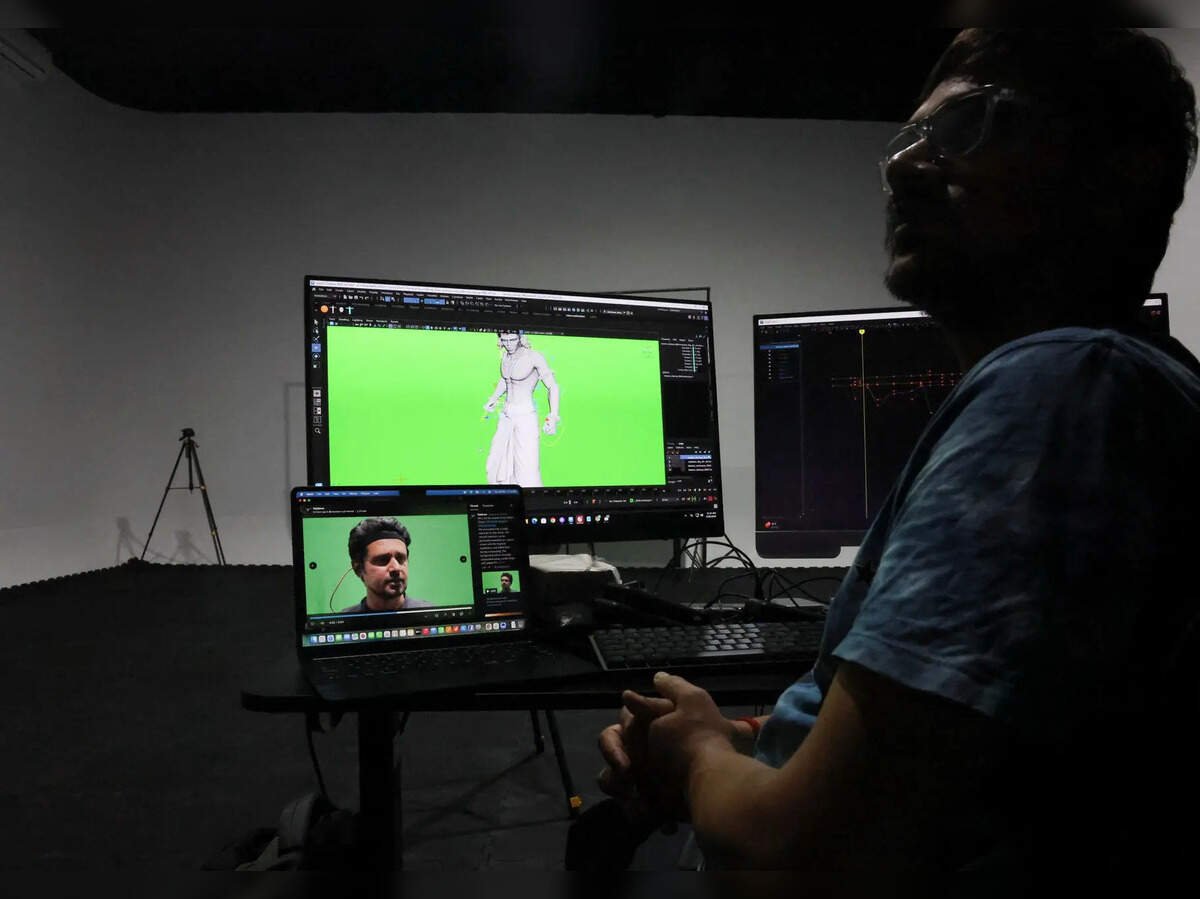
In a bustling film studio in Mumbai, a director yells “action” — not to a group of human actors, but to a sophisticated AI system. This AI, trained to generate lifelike scenes, is set to film a key sequence. Welcome to the future of Indian cinema where artificial intelligence is reshaping the production landscape, creating a fusion of tradition and technology.
In recent months, Indian film studios have turned to AI as a tool to cut production costs and accelerate the movie-making process. Aiming to streamline operations, these studios are not only automating tasks but also innovating film narratives, prompted by the rapid advancements in AI-driven technology from global tech giants.
Revolutionizing Production with AI
The implementation of AI in India’s cinematic world is multifaceted. From AI dubbing, crucial for a country with over 21 recognized languages, to reimagining movie endings, the technology is affecting all aspects of film production. According to a report by The Verge, AI systems are being trained to understand and produce dialogue in regional dialects, making films more accessible to diverse audiences.
Furthermore, the economic benefits are undeniable. Production costs can be slashed significantly as AI takes over roles traditionally performed by human technicians and editors. Studios are now able to produce more content in less time, as noted in a recent TechCrunch article, which highlights AI’s potential to handle complex editing tasks with precision and speed.
The Data Behind the Decision
To better understand the impact of AI in Indian film studios, it’s important to look at the numbers.
| Aspect | Traditional Process | AI-Driven Process |
|---|---|---|
| Cost | $200,000 per feature | $120,000 per feature |
| Production Time | 8 months | 5 months |
| Language Adaptation | Limited | Multi-language support |
Mixed Reactions from Audiences
However, the integration of AI in filmmaking is not without its challenges. While some audiences appreciate the improved accessibility and faster releases, others have expressed concerns about the authenticity and emotional depth of AI-driven narratives.
A survey conducted by the Indian Film Society found that 60% of viewers were skeptical about AI’s ability to replicate the nuanced performances of human actors. This sentiment echoes the views shared by film critics who caution that AI may erode the cultural richness and emotionality that are hallmarks of Indian cinema.
Industry Insights and Future Directions
Despite these concerns, the industry is optimistic. Partnerships between tech companies and Indian filmmakers are growing, with giants like Google and Amazon investing in AI-driven storytelling projects. As more studios embrace this technology, experts predict a hybrid model where AI complements, rather than replaces, human creativity.
“AI is not here to take over but to enhance our capabilities,” says Priya Kulkarni, a leading AI researcher at Mumbai Tech Institute. “The goal is to create a collaborative environment where technology and human ingenuity coexist for better storytelling.”
Conclusion
As Indian film studios continue their AI journey, the global tech community watches closely. The successful integration of AI in this vibrant industry could redefine cinematic experiences worldwide. While the path ahead may be filled with both challenges and opportunities, one thing is clear: AI is here to stay, and its role in shaping the future of film is just beginning.
For tech enthusiasts, the potential of AI in film presents a fascinating intersection of technology and art, offering new avenues for exploration and innovation. Engaging with this dynamic field could pave the way for groundbreaking developments in AI and beyond.
Related Reading
- Oracle layoffs impact over 2,500 in India; 30,000 get pink slips globally
- Price of tungsten, sulfur and helium
- If your job is largely text-based, AI is coming for it
“`


