

What is Latam-GPT: Latin America’s Spanish and Portuguese AI model?
Chilean Roots: A New AI Model Emerges
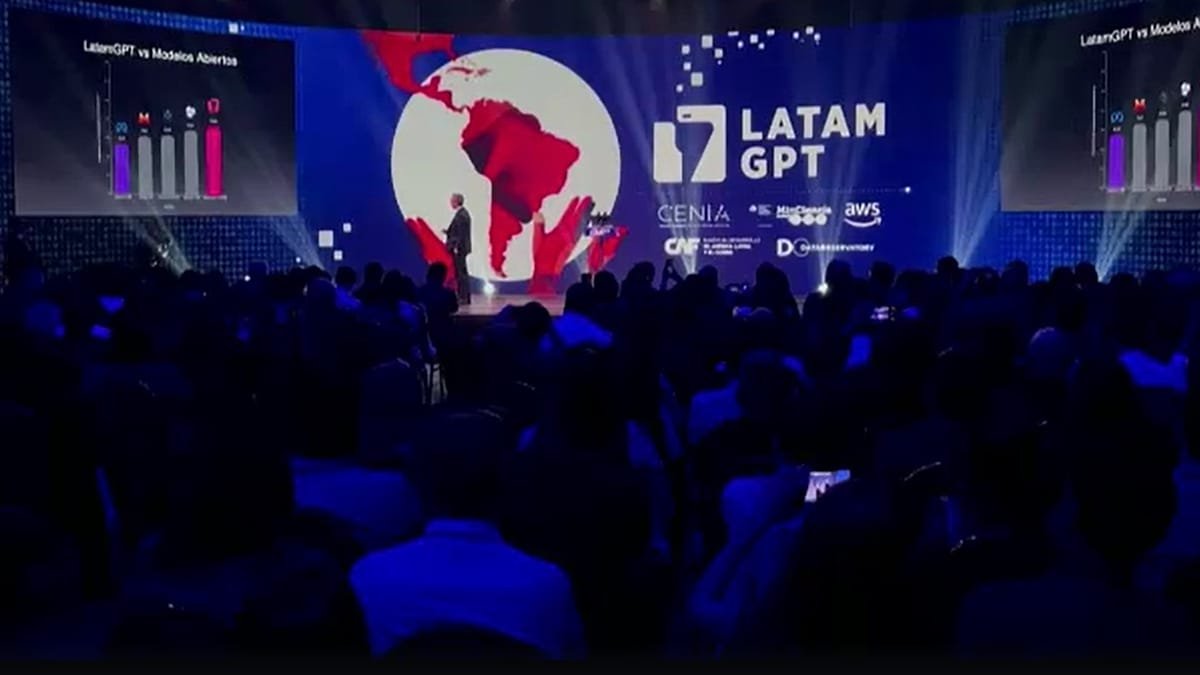
In the bustling streets of Santiago, Chile, where the Andes kiss the sky, a quiet technological revolution is taking place. Born out of the need to represent Latin American voices in the expanding universe of artificial intelligence, Latam-GPT stands as a testament to innovation and cultural preservation. This AI model, driven by Chilean expertise, aims to address the biases rampant in AI models predominantly developed in the US.
The Need for Regional Representation
AI models, until now, have largely been trained using datasets from English-speaking countries, which often leads to a skewed understanding of non-Western cultures and linguistic nuances. Latam-GPT seeks to rectify this by training its algorithms on data that is rich with Latin American context.
According to [TechCrunch], there is a growing awareness of this bias and a pressing demand for more localized AI solutions across global markets. Latam-GPT responds to this demand by incorporating regional data from across Latin America, offering a more accurate and relatable AI experience for Spanish and Portuguese speakers.
Comparative Overview of AI Models
| Model | Language Focus | Region | Data Bias Reduction |
|---|---|---|---|
| Latam-GPT | Spanish, Portuguese | Latin America | High |
| OpenAI GPT-3 | English, Multilingual | Global | Medium |
Industry Perspectives
Leading voices in the tech industry have praised this initiative for its cultural sensitivity and its potential to democratize AI technology. “Latam-GPT is not just a technological advancement, it’s a cultural necessity,” stated an AI ethicist in an interview with [Gizmodo].
With a model that understands local idioms, cultural references, and social norms, Latam-GPT promises to deliver more relevant and accurate interactions, thus enhancing user experience in daily applications ranging from customer service bots to regional-specific content creation.
Trends in AI Development
The launch of Latam-GPT is part of a larger trend where regions outside the US are beginning to develop their AI solutions tailored to local needs. As noted by [The Verge], the global AI landscape is slowly but surely diversifying, with projects like Latam-GPT at the forefront.
This model is an example of how regional innovation can challenge the status quo, encouraging other markets to invest in localized technology solutions. The trend is clear: as the demand for AI grows, so does the need for its diversification.
Challenges and Opportunities
While Latam-GPT’s potential is vast, it faces challenges such as securing funding and overcoming technical hurdles associated with language diversity. However, these challenges also present opportunities for Latin American tech companies to collaborate and innovate.
By creating models that cater specifically to local languages and dialects, there’s a unique opportunity for Latin America to establish itself as a key player in the global AI scene.
Conclusion: A Call to Action
Latam-GPT represents more than just a technological advancement; it is a call to action for the tech industry to create more inclusive, representative AI models. As readers, tech enthusiasts, and industry leaders, we must advocate for and support these initiatives to ensure AI reflects the world’s rich diversity.
Related Reading
- ‘India is serious about AI’: Chandrika Tandon applauds India’s AI push ahead of global Summit
- NIST Awards Over $3 Million to Small Businesses Advancing AI, Biotechnology, Semiconductors, Quantum and More
- ‘Deepfakes spreading and more AI companions’: seven takeaways from the latest artificial intelligence safety report
“`


[…] What is Latam-GPT: Latin America’s Spanish and Portuguese AI model? […]
[…] OpenAI debuts first model using chips from Nvidia rival Cerebras Augmented Reality and Virtual Reality (AR/VR) in Aviation Market Size to Hit USD 30.19 Billion by 2035 Paycheque before parchment: Data science co-op student earns pre-grad employment with RCMP ‘Movies can change the world but not in a political way’ says Wim Wenders What is Latam-GPT: Latin America’s Spanish and Portuguese AI model? […]